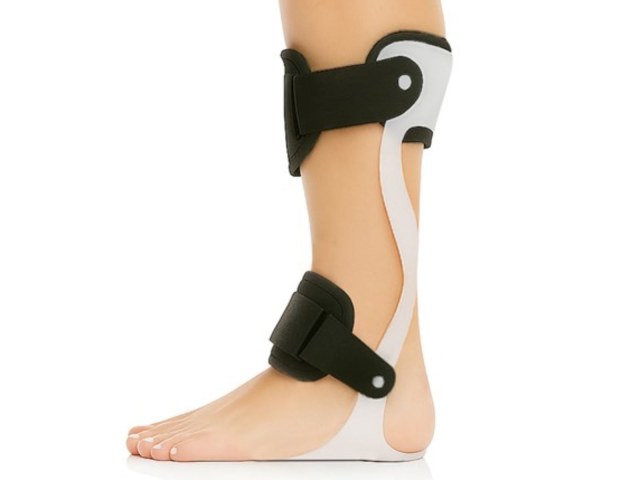
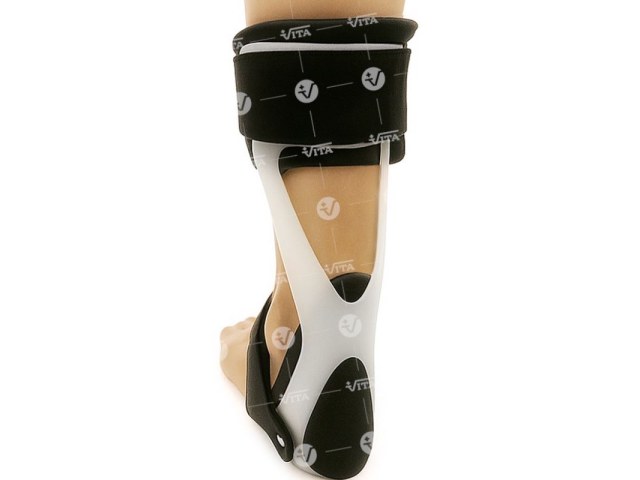
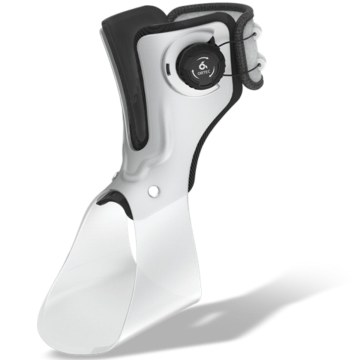
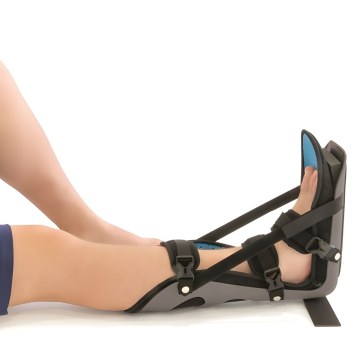
The AFO in-shoe brace is a polypropylene ankle-foot support designed to be worn inside footwear, helping keep the ankle in a more neutral position and providing a steadier feel during everyday walking.
Features (AFO In-Shoe Brace)
The polypropylene structure is designed for practical durability in everyday use.
The footplate covers the foot up to the toes to support a more complete in-shoe setup.
The brace is open at the heel for easier wear with suitable footwear.
A padded shin strap helps keep the brace positioned securely.
An additional strap at the navicular area supports midfoot stabilization during use.
Foam padding around the Achilles area and malleoli helps reduce pressure points.
Available in Left and Right versions to match the side of use.
Technical Specifications
Code/MPN: 06-2-011.
Type: Left / Right (side-specific).
Material: polypropylene.
Design: footplate up to the toes with an open-heel construction.
Stabilization system: padded shin strap & an additional strap at the navicular area.
Padding: protective foam padding at the Achilles area and malleoli.
Sizes (based on shoe size):
| Size |
Shoe size |
| Small |
35–39 |
| Large |
40–45 |
It complies with international safety standards and carries CE and ISO certifications for reliable use.
Frequently Asked Questions (FAQ)
How does an in-shoe AFO differ from a soft Drop Foot strap-style support?
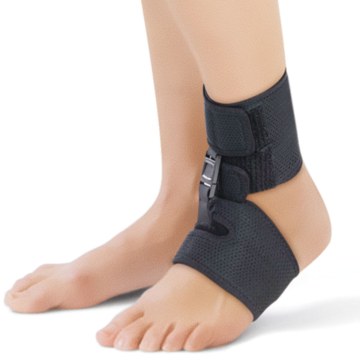
An in-shoe AFO is a more structured option with a rigid footplate positioned inside the shoe and secured with a shin strap, helping keep the ankle in a more neutral position. A soft strap-style support typically provides a more elastic feel and relies heavily on strap tension and shoe choice.
What type of shoe works best, and what should I check for proper fit?
Shoes with a firm heel counter and secure lacing tend to work best, helping the brace remain stable. Make sure there is enough internal volume and that no pressure points develop from straps or brace edges.
Which additional aids fit a more holistic everyday gait-support approach?
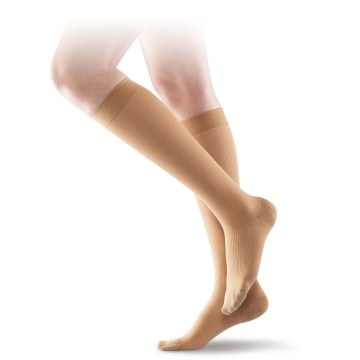
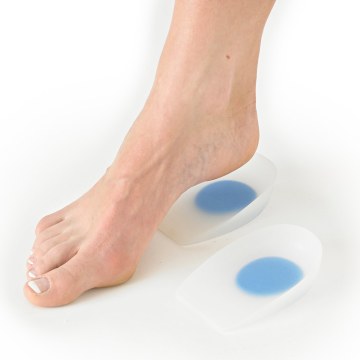
It is often combined with a supportive orthotic insole and proper footwear with stable heel support. When extra safety is needed, a walking aid such as a cane or walker may be useful, while a gait-training or exercise plan guided by a professional can improve overall day-to-day practicality.