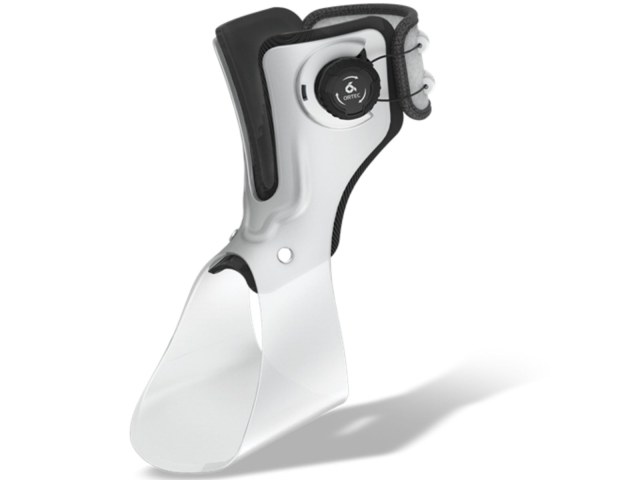
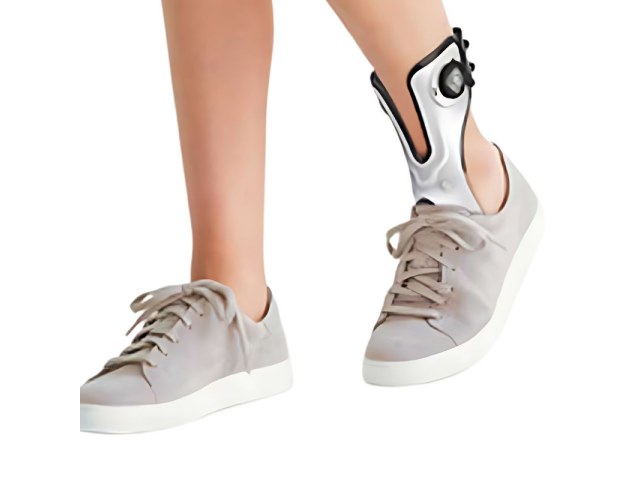
The FLEX STEP in-shoe brace is an ankle-foot support used inside footwear, available as Left or Right, featuring a Dial lock adjustment system and an internal foam lining, designed to support more controlled & stable everyday walking depending on shoe fit and setup.
Features (FLEX STEP In-Shoe Brace)
High-quality polypropylene construction is intended for practical durability in frequent use.
The ergonomic design is made for functional wear inside footwear.
The Dial lock mechanism supports fine adjustment & controlled compression at the calf area.
An internal foam lining helps reduce pressure points at the front and around the calf height.
It is available in Left & Right versions to match the side of use.
It may also be used as a night brace when the user is in a reclined position, as stated by the manufacturer.
According to the manufacturer, clinical data support its functional stabilization concept, while individual fit assessment remains important.
Technical Specifications
Code/MPN: 06-2-153.
Type: Left & Right (side-specific).
Material: polypropylene.
Adjustment: Dial lock for fine tuning & controlled calf compression.
Lining: internal foam lining to help reduce pressure points.
Use: in-shoe, with optional night brace use in a reclined position (manufacturer statement).
Weight: not available.
Sizes (based on footplate length):
| Size |
Foot length |
| X-Small |
up to 19 cm |
| Small |
19–22 cm |
| Medium |
22–25 cm |
| Large |
25–28 cm |
| X-Large |
28+ cm |
GTIN: not available.
Manufacturer/Brand: as stated on the packaging.
As stated by the manufacturer: It complies with international safety standards and carries CE and ISO certifications for reliable use.
Frequently Asked Questions (FAQ)
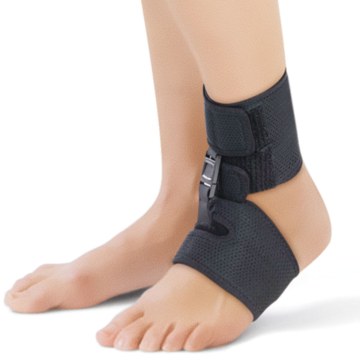
How does FLEX STEP differ from a simple soft Drop Foot brace with hook-and-loop straps?
A simple soft Drop Foot brace typically provides elastic support with quick adjustment and a focus on everyday practicality. FLEX STEP is a more structured in-shoe option using polypropylene and a Dial lock system, enabling finer tuning and a different stabilization feel in walking, depending on shoe choice and setup.
How do I choose the right size, and what type of shoe works best?
Size selection is based on footplate length in cm rather than standard shoe sizing, so the base fits correctly inside the shoe. Shoes with a firm heel counter and secure lacing tend to work best, and sufficient shoe volume is important to help avoid pressure points.
Besides a brace, what is commonly used as additional support for steadier walking?
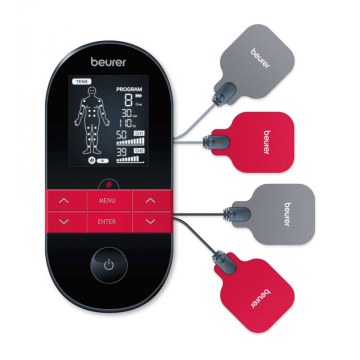
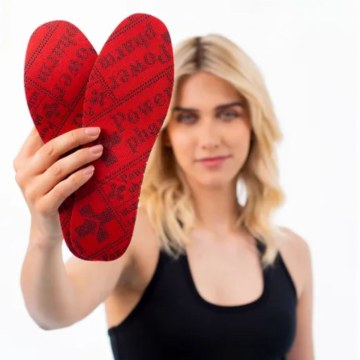
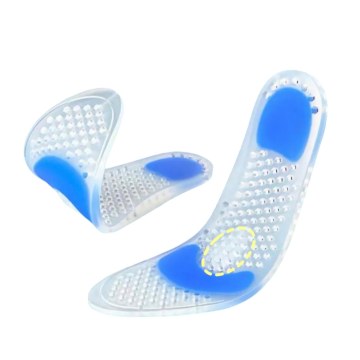
In everyday use, a supportive orthotic insole can help create a steadier in-shoe base, while appropriate footwear with good heel support can improve practicality. Where appropriate, an EMS device may be used for muscle activation within a professionally guided plan. A foot massage roller may also be used for comfort and relaxation after long hours in shoes, without replacing the core walking support approach.