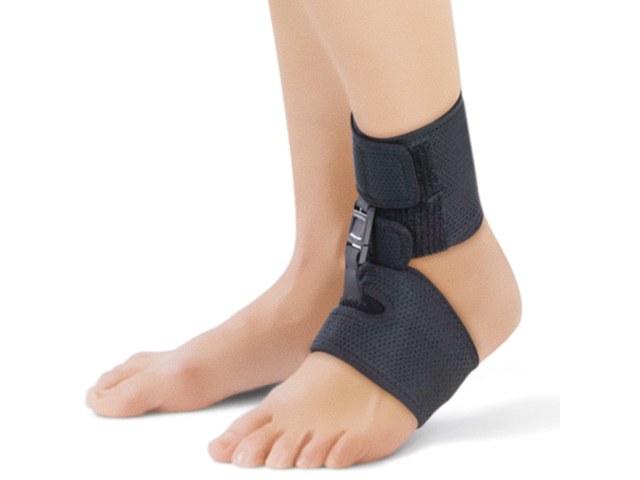
The Drop Foot soft brace is an ambidextrous ankle-foot support made of padded elastic fabric with a hypoallergenic, sweat-reducing feel, featuring an open heel & toes and hook-and-loop ankle closure, designed to support more controlled foot positioning during everyday walking.
Features (Drop Foot Soft Brace)
The padded elastic fabric is designed for practical all-day wear with a sweat-reducing feel.
The hypoallergenic inner surface is intended to be more skin-friendly, as stated by the manufacturer.
The design is open at the heel & toes, supporting easier application and airflow at the front of the foot.
Hook-and-loop closure wraps around the ankle for quick adjustment and a stable fit.
A plastic attachment mechanism supports use with lace-up shoes for more functional in-shoe stability.
If the metatarsal section is removed, the system allows alternative fitting depending on shoe volume and preferred setup.
It is ambidextrous, suitable for either the left or the right foot.
In everyday use, it is often chosen when improved forefoot control during gait is desired, with professional guidance where needed.
Technical Specifications
Code/MPN: 06-2-042.
Type: ambidextrous.
Material: padded elastic fabric, sweat-reducing and hypoallergenic (as stated by the manufacturer).
Design: open heel & open toes.
Closure/adjustment: hook-and-loop around the ankle.
Shoe compatibility: plastic mechanism for lace-up shoes (metatarsal section can be removed).
Sizes (ankle circumference in cm):
| Size |
Ankle circumference (cm) |
| Small |
15–20 |
| Medium |
20–26 |
| Large |
26–33 |
As stated by the manufacturer: It complies with international safety standards and carries CE and ISO certifications for reliable use.
GTIN: not available.
Manufacturer/Brand: as stated on the packaging.
Frequently Asked Questions (FAQ)
Besides a Drop Foot brace, what else can support everyday walking?
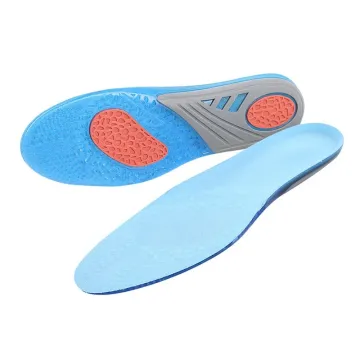
A combination often helps: supportive footwear with a firm heel counter & laces, a supportive orthotic insole to create a steadier base inside the shoe, and, where appropriate, targeted exercises guided by a professional to improve gait control. These options do not replace a brace, but can complement it for more practical and safer daily use.
Can a TENS/EMS device help, and what is the practical difference between them?
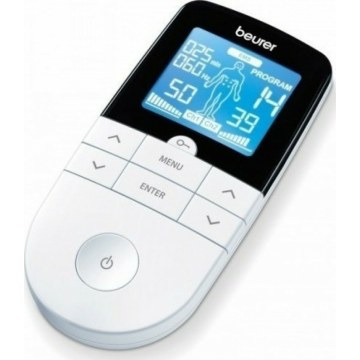
TENS is mainly used for comfort-focused relief, while EMS aims at muscle activation through electrical stimulation. In some cases, muscle stimulation may be used as a complementary tool within a strengthening or gait-training plan, but device selection, electrode placement and usage protocols are best done with professional guidance for safe and effective application.
Is there anything “gentle” I can do at home for comfort and daily foot care?
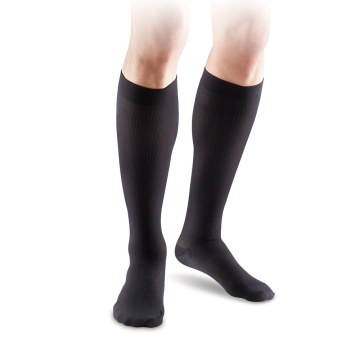
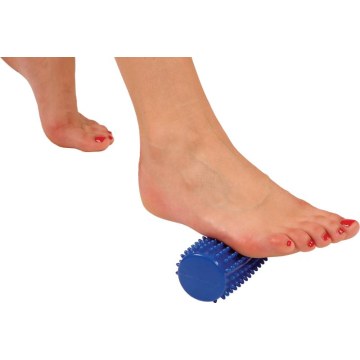
For everyday support, many people use a foot massage roller or massage ball for plantar comfort and relaxation, especially after long hours in footwear. It also helps to check the skin regularly for pressure marks from shoes or the brace and to wear well-fitting socks. If you notice strong discomfort, numbness or persistent pressure marks, consider re-adjusting the setup or seeking professional evaluation.