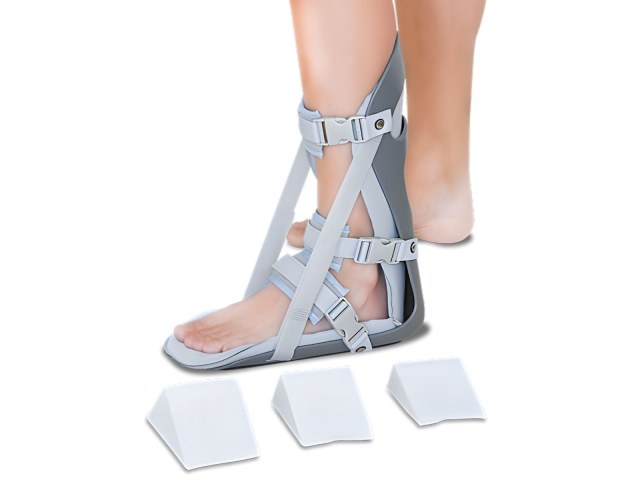
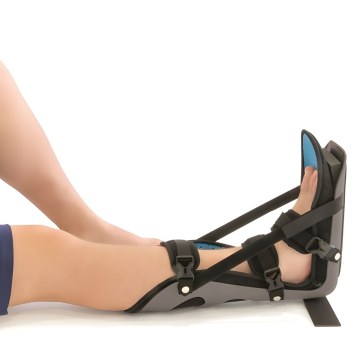
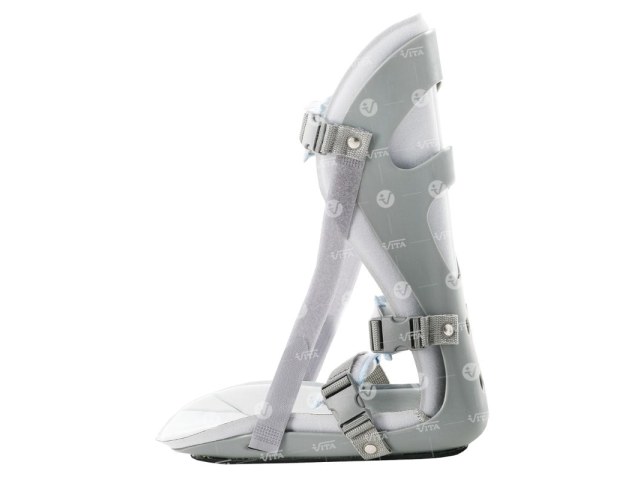
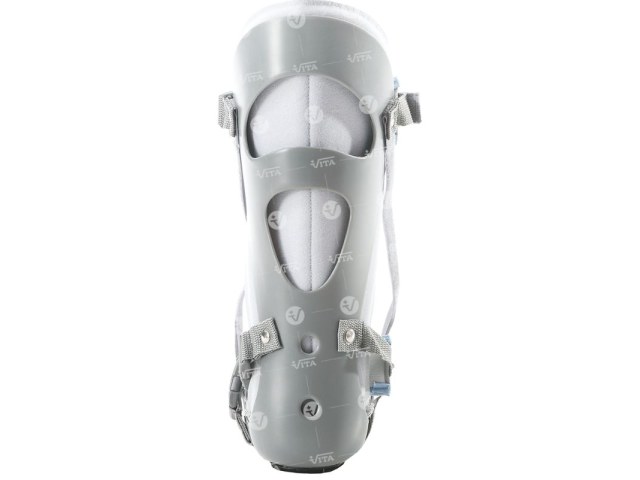
The Night Splint is an ambidextrous ankle-foot resting brace with a removable foam lining and adjustable straps, designed to support controlled positioning during rest and selected rehabilitation scenarios.
Features (Night Splint Resting Brace)
The flexible plastic shell supports stable limb positioning during rest for controlled alignment.
The inner foam liner is removable and self-attaching for practical adjustment.
The construction is ventilated and sweat-reducing for more comfortable extended wear.
Three front stabilizing straps help maintain a secure fit on the foot.
Two side straps allow adjustment of ankle flexion according to clinician guidance.
An anti-slip sole improves stability for short indoor steps when permitted.
The brace is ambidextrous for left or right foot use.
Technical Specifications
Type: ambidextrous.
Shell material: flexible plastic.
Lining: foam, removable, self-attaching.
Ventilation: ventilated and sweat-reducing design.
Straps: 3 front stabilizing straps and 2 side flexion-adjustment straps.
Sole: anti-slip.
- Size Small: shoe size up to 39
- Size Medium: shoe size 40–44
- Size Large: shoe size 44+
Manufacturer: not available.
MPN: 06-2-048.
GTIN: not available.
According to the manufacturer, the product meets international safety requirements and carries CE & ISO certifications for reliable use.
Frequently Asked Questions (FAQ)
When is a night splint used, and what is its role in rehabilitation?
It is typically used during rest to help keep the ankle in a more controlled position, depending on clinician guidance. It is referenced as supportive equipment for conservative rehabilitation in Achilles tendon injuries, for plantar fasciitis recovery, and for Achilles tendinitis scenarios.
How can it be part of a broader, practical rehabilitation setup with other aids?
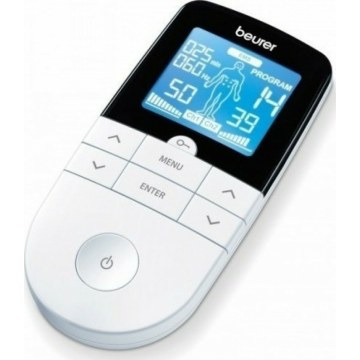
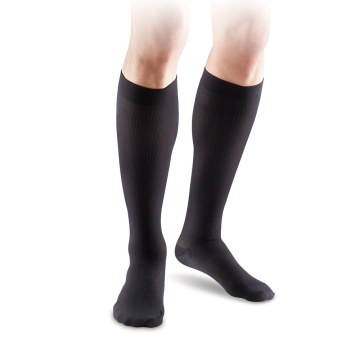
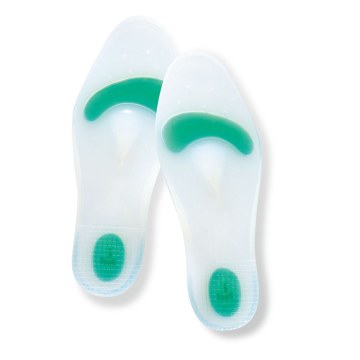
It is usually one component of an overall plan. During reduced mobility phases, crutches/canes help you follow the allowed weight-bearing level, while anti-embolism or graduated compression stockings may be used when recommended for swelling and circulation management. Physiotherapy and progressive loading remain the main pathway, with aids added according to each phase.
What should I watch for when adjusting straps and ankle position?
Adjust the side straps without excessive pressure and avoid creating tight spots. If you experience numbness, pain, color change, or increased swelling, re-check the fit. The final ankle position should follow your clinician’s guidance to avoid unnecessary tension on the Achilles tendon.