Features (CONTEC Wrist Pulse Oximeter Watch)
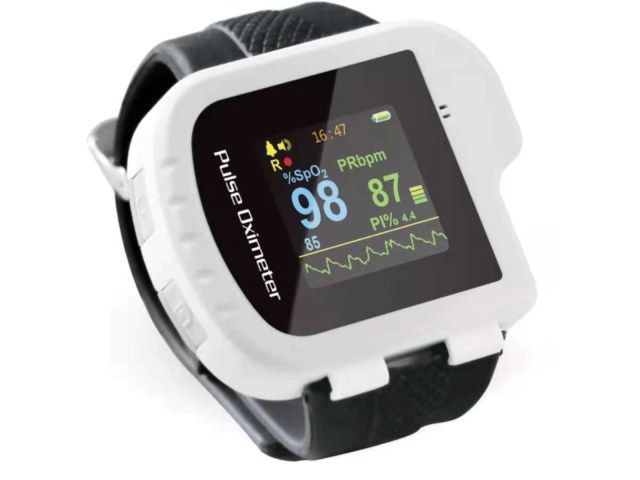
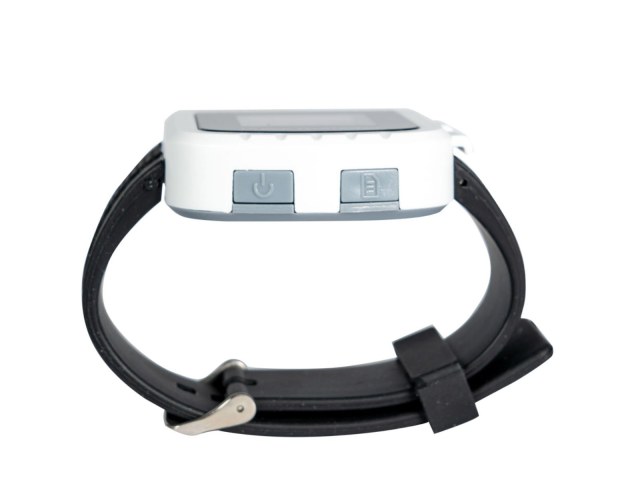
The wrist-worn design supports longer monitoring sessions with less handling compared to fingertip oximeters.
It includes audible and visual alarms with adjustable high and low limits, so you can set alerts based on your use case.
The device supports up to 20 hours of recording to help you review trends during overnight use or extended periods.
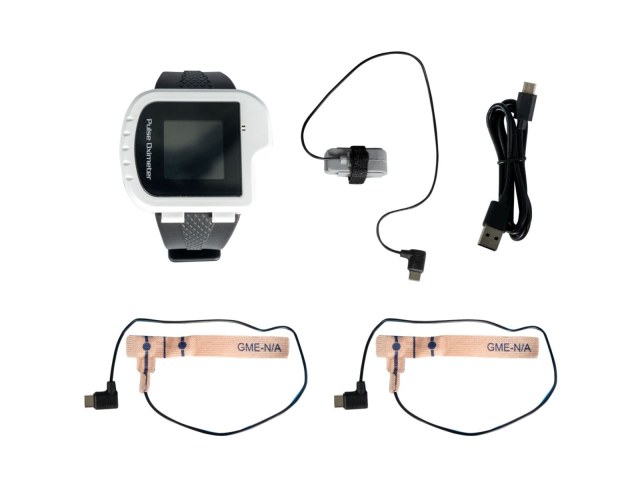
USB connection allows data transfer to a PC for review, analysis and printing using the included software.
The screen can display a graphic bar and waveform, along with battery status and PI, improving readability.
An adult sensor is included in the package, so it is ready for use without purchasing a basic accessory separately.
Technical Specifications
- Manufacturer: CONTEC
- Type: Wrist pulse oximeter (watch style)
- Display: Color OLED
- SpO2 range: 0 to 100%
- Heart rate range: 30 to 240 BPM
- Alarms: Audible and visual, adjustable limits (high & low)
- Recording: Up to 20 hours
- Connectivity: USB to PC
- Software: Included for data analysis and printing
- Power / Charging: USB charger adapter or PC USB port
- Display views: Graphic bar, waveform, alarms, battery status, PI, SpO2 alarm low limit
- In the box: Adult sensor included
- Warranty: 1 year
- MPN: Not available
- GTIN: Not available
This device is intended for readings and data recording. Compliance with safety standards and any CE or ISO certifications should be confirmed via the official manufacturer or distributor documentation.
Frequently Asked Questions (FAQ)
Why choose a wrist oximeter instead of a fingertip oximeter?
A wrist model is practical when you want longer monitoring with recording and less repeated placement. It is more wearable and supports trend tracking over time.
What is the real benefit of up to 20 hours of recording?
Recording helps you review trends and changes in SpO2 and heart rate during overnight use or long periods, giving you a more organized view of your data.
How do I use the USB connection and included software?
USB transfer lets you move recordings to a PC for review, storage and printing reports, which is useful if you want to keep a history of readings or share data with a responsible healthcare professional.